
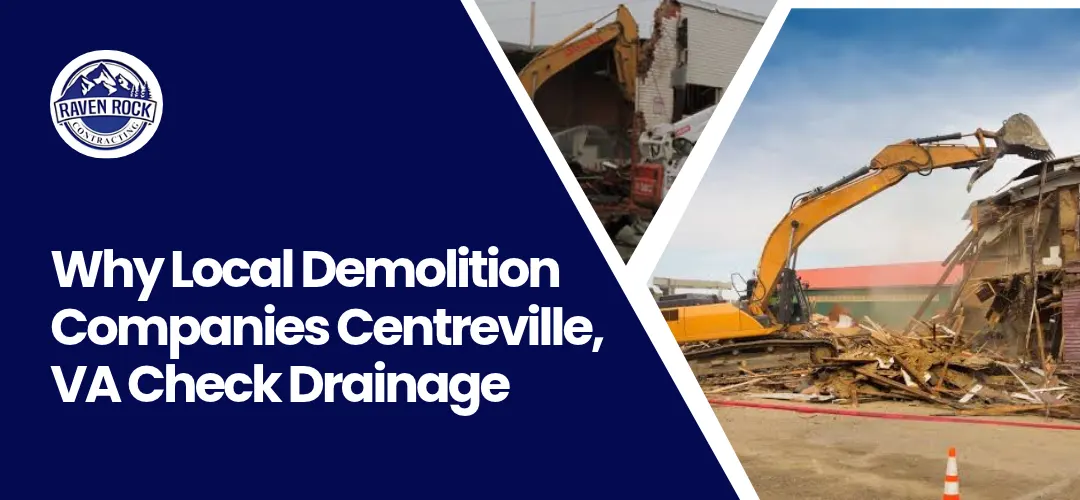
Learn why drainage checks matter before demolition, including runoff control, soil erosion prevention, storm drain protection, and debris planning.
Demolition involves more than removing walls, buildings, or unwanted structures. Water movement around a property can affect exposed soil, nearby foundations, driveways, landscaping, and neighboring areas during the work. Hiring local demolition companies Centreville, VA that consider existing drainage conditions helps property owners identify potential problems before demolition begins. Reviewing water flow, drainage openings, and low-lying areas also helps determine which parts of the site may need protection.
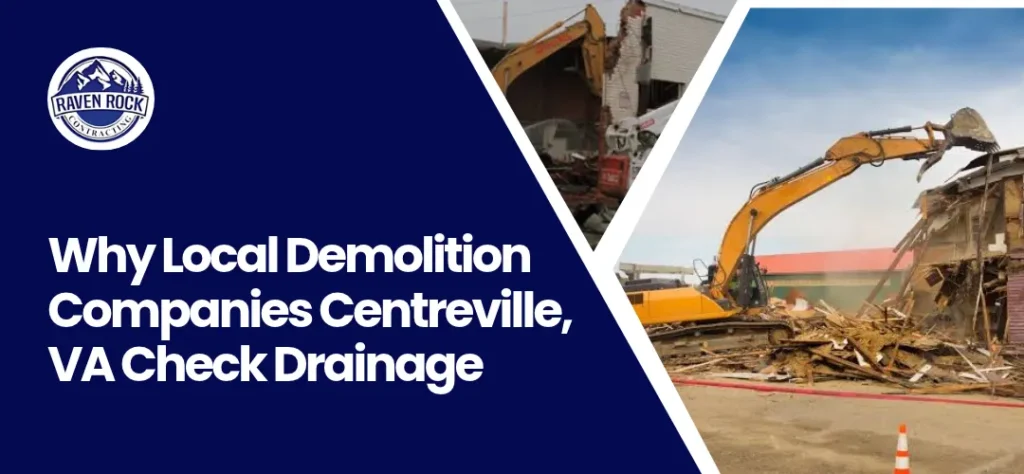
Rainwater follows the property’s existing slopes and drainage paths. Removing a structure, disturbing soil, or changing ground elevations can affect how water moves across the site. Areas that previously remained dry may develop standing water after vegetation, concrete, or other surfaces are removed.
Poor drainage can also cause muddy access routes, soil movement, and water accumulation near foundations. These conditions may complicate equipment movement and create additional cleanup requirements.
Before starting work, property owners should identify existing drainage concerns, including recurring puddles, clogged drains, damaged gutters, and areas where water flows toward buildings. Discussing these conditions when arranging demolition services Sterling VA helps establish appropriate site precautions.
A property inspection should consider more than the immediate demolition area. Water from nearby surfaces may flow toward the work zone, especially during heavy rainfall.
Important areas to examine include:
Photographs of these conditions can help document the property’s original state. If drainage problems appear significant, a qualified professional may need to evaluate the grading or drainage system before work proceeds.
Removing a building or concrete surface can expose soil that was previously protected from rainfall. Heavy equipment may also disturb ground surfaces, compact soil, or create temporary depressions where water collects.
These changes can increase runoff and carry loose sediment toward nearby drains, sidewalks, and neighboring properties. Uncontrolled sediment movement can create additional maintenance problems and affect local water quality.
Contractors should consider the sequence of demolition activities and identify which areas need temporary protection. Depending on site conditions, measures may include stabilized access points, sediment barriers, protected drainage openings, and temporary soil stabilization.
Exposed soil becomes more vulnerable to erosion when rainwater moves across disturbed ground. Sloped properties and areas with loose soil may experience faster runoff, carrying sediment toward streets, drainage systems, and nearby waterways. Arranging roll-off dumpster rental Sterling VA helps keep demolition debris contained and reduces loose waste that could obstruct drainage paths.
Erosion and sediment controls help reduce these risks. Depending on the project, they may include silt fences, stabilized construction entrances, temporary ground cover, and sediment collection measures.
Fairfax County requires erosion and sediment controls for applicable land-disturbing activities. These measures must be installed and maintained according to approved plans and relevant requirements.
Property owners should also ask whether the project requires land disturbance approvals or stormwater-related permits. Requirements depend on the project’s location, disturbed area, and scope of work.
Demolition produces concrete, wood, drywall, roofing materials, and other debris that must be collected and removed. Poorly positioned waste containers or material piles can obstruct access routes and interfere with surface drainage.
A designated disposal area helps keep the work zone organized. Before delivery, consider ground stability, vehicle access, drainage openings, and the direction of surface runoff.
A designated collection point can help manage accepted demolition debris. Discuss placement with the provider to ensure the container does not block storm drains, sidewalks, or important access routes.
When arranging dumpster rental Sterling VA, property owners should confirm weight restrictions, accepted materials, rental periods, and pickup arrangements. Keeping debris contained reduces loose material around the site and makes cleanup easier.
A pre-demolition discussion can help identify drainage concerns before equipment arrives. Walk through the property with the contractor and point out recurring water accumulation, visible soil erosion, damaged drainage features, and areas that should remain undisturbed.
Ask these practical questions:
For larger projects, ask whether a site plan or drainage assessment is needed. The arrangement should also account for safe placement and access without interfering with planned drainage protections.
Raven Rock Contracting provides demolition, dumpster rental, junk removal, and property cleanup services around Sterling and nearby Northern Virginia communities. Property owners can discuss demolition requirements, site access, debris removal, and surrounding property conditions before scheduling work. Planning these details helps identify potential site concerns and organize the project more effectively. Call (571) 246-1334 for a free quote.
Drainage checks help identify standing water, blocked drains, soil erosion, and runoff concerns before work begins. Addressing these conditions can reduce site complications and protect nearby property.
Yes. Removing structures, disturbing soil, and changing ground surfaces can affect existing water flow. Temporary depressions and exposed soil may also increase water accumulation and erosion.
Appropriate measures may include protecting drainage openings, controlling loose debris, installing sediment barriers, and maintaining suitable runoff paths according to the site plan.
Standing water can create muddy access routes, interfere with equipment movement, and increase soil erosion. The affected area should be assessed to determine whether temporary drainage or grading measures are necessary.
Significant drainage problems should be evaluated before work begins. Property owners should discuss visible concerns with the contractor and consult a qualified drainage professional when grading changes or drainage repairs are necessary.
Learn why drainage checks matter before demolition, including runoff control, soil erosion prevention, storm drain protection, and debris planning.

Learn how commercial properties can prevent ice hazards, protect pedestrians, and prepare parking lots and walkways for winter weather in...
Learn how site access affects demolition and hauling Sterling VA, including equipment selection, debris removal, dumpster placement, and project planning.
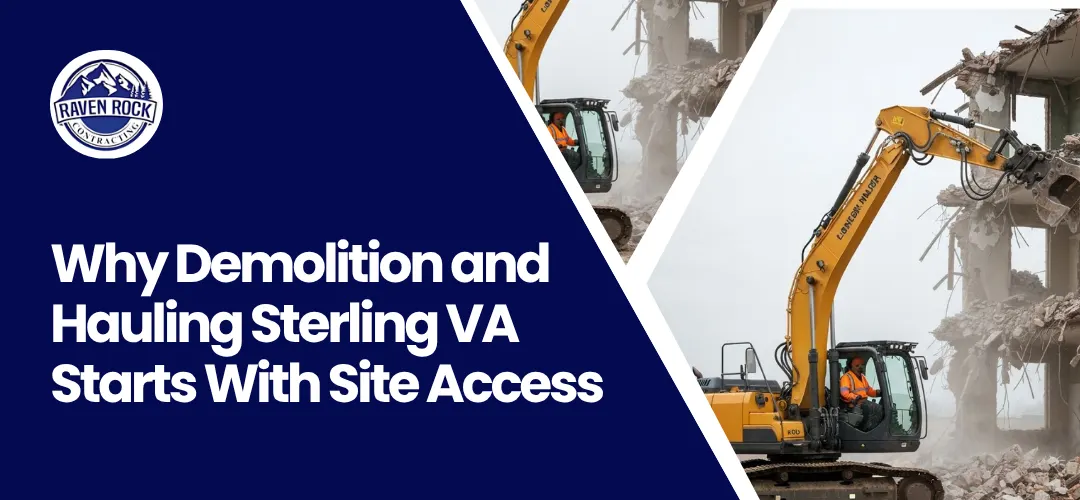
Learn how site access affects demolition and hauling Sterling VA, including equipment selection, debris removal, dumpster placement, and project planning.
Learn how electronics disposal Sterling VA helps businesses protect sensitive data, manage outdated devices, and arrange responsible electronic recycling.
Learn how pack out and storage Sterling VA helps protect belongings during water damage cleanup, repairs, and property restoration.
Learn what local demolition companies inspect in Centreville, VA, from utilities and permits to debris removal, with Raven Rock Contracting.
