

Learn how site access affects demolition and hauling Sterling VA, including equipment selection, debris removal, dumpster placement, and project planning.
Businesses regularly replace computers, laptops, printers, servers, phones, and other electronic equipment. However, removing outdated devices involves more than clearing office space. Old equipment may contain customer information, employee records, financial documents, saved passwords, and confidential business files.
Proper electronics disposal Sterling VA helps businesses manage unwanted equipment responsibly while reducing the risks associated with improperly discarded electronics. A planned disposal process should address data protection, equipment handling, and environmentally responsible recycling.
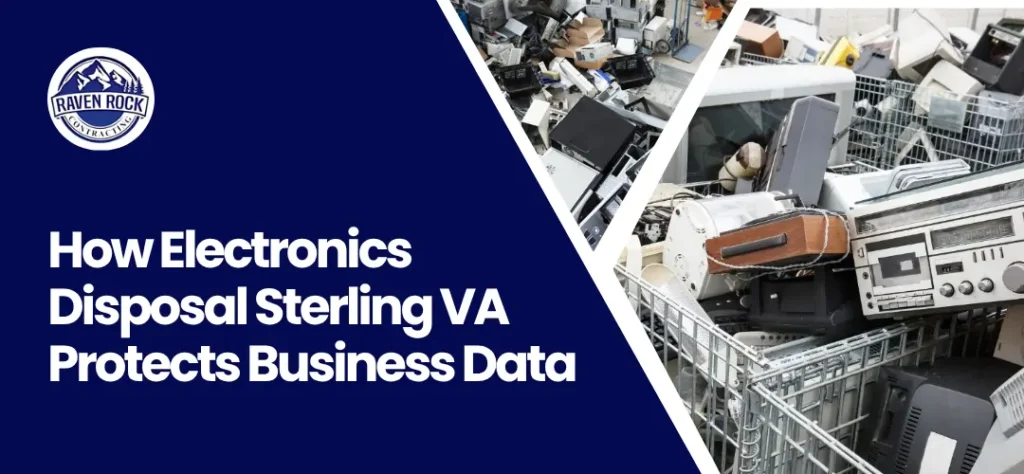
Business electronics can retain information long after employees stop using them. Computers may contain downloaded documents, saved credentials, customer databases, and accounting records. Printers and multifunction devices may also store scanned documents or copies of previously processed files.
Before arranging removal, businesses should create an equipment inventory. Record device types, assigned departments, asset identification numbers, and storage locations. Identify which devices contain sensitive information and determine whether they need additional security measures before leaving the premises.
A useful inventory should include:
This process helps prevent overlooked equipment from leaving the workplace without proper review.
Deleting files or moving them to the recycle bin does not necessarily remove the information permanently. Data recovery tools may retrieve information from storage devices that have not undergone appropriate sanitization.
Businesses should consider the following steps:
The appropriate method depends on the device, storage technology, confidentiality requirements, and whether the equipment will be reused or destroyed. Organizations handling sensitive records should consult their IT or information security teams before releasing devices.
Improperly discarded electronics can expose personal information belonging to customers, employees, vendors, and business partners. A forgotten spreadsheet or saved email account may contain information that should not be accessible outside the organization. When clearing out old office equipment, businesses can coordinate device removal with same-day junk removal Sterling, VA, while ensuring sensitive data is properly erased before disposal.
Businesses should review their information retention policies before removing equipment. Some records may need to be preserved for accounting, contractual, operational, or legal purposes. Others may be eligible for secure deletion under established retention procedures.
Access permissions should also be reviewed. Disable accounts associated with retired equipment, remove authorized connections, and update credentials when necessary. These precautions reduce the possibility of unauthorized access through outdated devices.
Companies should also maintain a record showing which equipment was retired, who approved its removal, and whether data sanitization was verified.
After addressing data security, businesses should determine how their unwanted equipment will be reused, recycled, or otherwise handled. Computers, monitors, televisions, printers, and electronic accessories contain materials that should not automatically enter ordinary waste streams.
Responsible recycling helps recover reusable materials and reduces unnecessary landfill disposal. Batteries, circuit boards, and certain electronic components require appropriate handling because they may contain materials that create environmental concerns when improperly discarded.
Businesses arranging an office cleanout can coordinate the removal of unwanted items alongside an equipment cleanout. Before scheduling, separate electronics from general waste and identify items requiring specialized handling. Ask about accepted materials, recycling arrangements, and available disposal documentation.
Data protection does not end when an organization prepares its devices for disposal. Businesses using demolition services Sterling VA should know which equipment leaves their property, who handles the collection, and where the materials are directed afterward.
Create a simple removal checklist covering:
For larger office cleanouts, organize equipment by department or storage area. This makes it easier to compare collected items against the original inventory and identify anything missing.
Businesses should also clarify whether the removal provider supplies disposal records or works with recycling partners. Do not treat a standard pickup receipt as proof that stored data has been securely destroyed.
Office renovations, relocations, and commercial property upgrades often create large amounts of unwanted equipment. Businesses may need to remove old workstations, damaged fixtures, outdated electronics, and construction debris before a new workspace can be prepared.
Planning these activities together can reduce unnecessary handling and help maintain a clear removal schedule. However, electronics should remain separated from construction debris until data security and recycling requirements have been addressed.
For projects involving structural changes or workspace modifications, businesses may also need demolition support. Coordinating separate removal requirements helps prevent sensitive devices from becoming mixed with general demolition materials.
Raven Rock Contracting provides electronic waste removal and recycling support for residential and commercial properties around Sterling, VA. Its services include removing computers, monitors, televisions, printers, and other unwanted electronics, along with sorting materials for appropriate recycling or disposal.
Businesses can discuss equipment quantities, pickup requirements, and available disposal documentation before scheduling. Remember to complete and verify data sanitization separately before releasing devices containing confidential information.
No. Ordinary file deletion does not necessarily eliminate stored information. Businesses should use appropriate media sanitization methods and verify completion before releasing equipment.
Computers, laptops, smartphones, printers, servers, external drives, and some networking devices may retain business information, credentials, or stored configurations.
Not necessarily. Organizations can use an approved sanitization process or arrange appropriate physical destruction when required by their security policies. The decision depends on data sensitivity and equipment reuse plans.
Businesses should retain collection receipts, equipment inventories, and available recycling or disposal records. If data destruction is required, request separate verification from the responsible sanitization provider.
Suitable times include office relocations, equipment upgrades, renovations, storage cleanouts, and routine technology replacements. Planning ahead helps prevent outdated equipment from accumulating or leaving the premises without proper review.
Learn how site access affects demolition and hauling Sterling VA, including equipment selection, debris removal, dumpster placement, and project planning.
Learn how electronics disposal Sterling VA helps businesses protect sensitive data, manage outdated devices, and arrange responsible electronic recycling.

Learn how pack out and storage Sterling VA helps protect belongings during water damage cleanup, repairs, and property restoration.

Learn what local demolition companies inspect in Centreville, VA, from utilities and permits to debris removal, with Raven Rock Contracting.

See what demolition contractors Sterling VA estimates should include, from labor and permits to hauling and cleanup. Contact Raven Rock...

Get heavy attic clutter removed safely with attic cleanout services from Raven Rock Contracting. Contact us today to discuss your...

Need small structure demolition Sterling, VA? Learn about safe removal, site preparation, and debris management. Contact Raven Rock Contracting today.
