
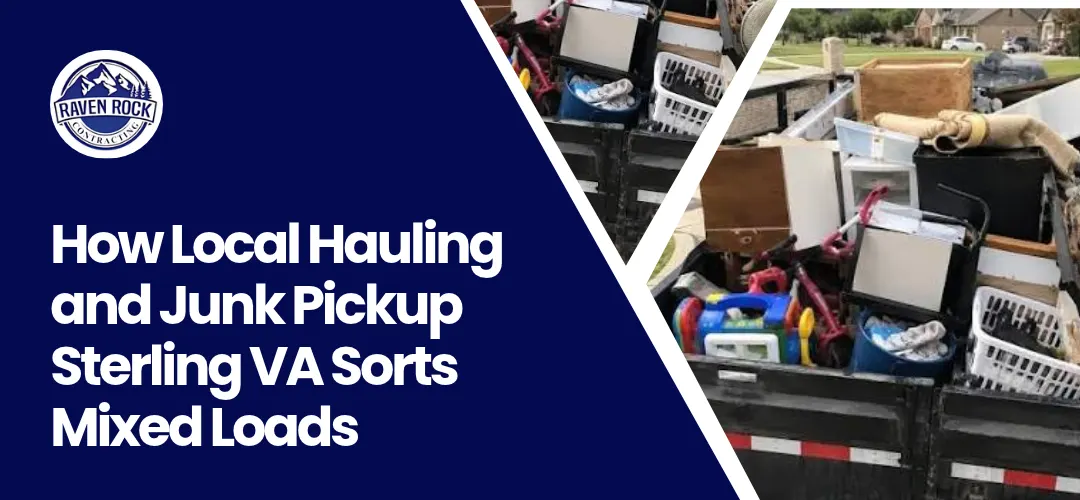
Learn how local hauling and junk pickup Sterling VA sort mixed loads, separate reusable materials, and manage property cleanup efficiently.
Removing unwanted materials from a property often involves more than collecting everything and transporting it away. Household cleanouts, renovation projects, rental turnovers, and commercial property maintenance can produce mixed loads containing furniture, appliances, cardboard, metal, wood, and general debris. Local hauling and junk pickup Sterling VA helps property owners manage these materials through organized collection, separation, and appropriate disposal methods.
Mixed loads often contain materials that require different handling methods. Placing everything together without considering its condition or material type can make recycling, donation, and disposal more difficult.
Proper sorting helps identify which materials may be reusable, recyclable, or unsuitable for standard waste disposal.
Some important benefits include:
A structured approach also helps property owners understand what happens to their unwanted materials after collection.
The first step involves examining the items that need removal. A mixed load may include household belongings, renovation debris, packaging materials, outdoor waste, and broken equipment.
Separating these materials before loading makes the collection process easier to manage.
Common categories include:
Identifying these categories also helps determine whether particular materials require special disposal arrangements.
Not everything collected during a property cleanout needs to become waste. Furniture and household belongings that remain usable may have opportunities for donation or reuse, depending on their condition and acceptance requirements.
For example, an undamaged table, functional shelving unit, or usable chair may be suitable for another household. Broken, heavily damaged, or contaminated items may require a different disposal method. Property owners arranging furniture removal Sterling VA should identify which belongings they want to keep, donate, or discard before the collection begins.
This distinction is particularly useful during rental property turnovers, estate cleanouts, and home renovations. Separating unwanted furniture from personal belongings also reduces the possibility of accidentally removing items that should remain on the property.
Renovation projects frequently produce mixed debris, including drywall, wood, flooring, packaging, and metal fixtures. These materials may need separate handling depending on their composition and disposal requirements.
For example, clean wood and certain metal components may have recycling or recovery options, while contaminated or composite materials may require different disposal arrangements. Before arranging collection, property owners should identify:
Paint, chemicals, solvents, batteries, and certain electronic components should not automatically be mixed with ordinary debris. Confirm accepted materials and disposal requirements before placing them with other waste.
Not every cleanup project requires the same collection method. Some property owners prefer having a crew remove and load unwanted materials, while others need a container available throughout a renovation or cleanout.
A dumpster rental Sterling VA arrangement may be suitable when debris accumulates gradually and property owners want to manage loading themselves. Consider these differences:
Before choosing, consider debris volume, access, project duration, material restrictions, and the amount of loading assistance required.
Property maintenance can generate different types of unwanted materials throughout the year. Spring cleaning, outdoor projects, renovation work, and seasonal storage clearouts may produce furniture, packaging, yard debris, and other items.
Winter maintenance also creates separate property management requirements. For example, Snow removal services Sterling VA address snow and ice accumulation around driveways, sidewalks, and commercial access areas rather than ordinary junk disposal.
Keeping these service requirements separate helps property owners arrange the right equipment and work process for each task. Planning seasonal maintenance ahead of time can also prevent unwanted materials from accumulating and obstructing usable property space.
Raven Rock Contracting helps residential and commercial property owners manage junk removal, furniture hauling, dumpster rentals, and property cleanouts around Sterling, VA. The company also offers recycling and donation options when materials are suitable, helping customers manage different cleanup requirements.
Need help clearing unwanted materials? Contact Raven Rock Contracting to discuss your project and request a free estimate.
Mixed loads often contain furniture, appliances, cardboard, wood, metal, packaging, yard debris, and renovation leftovers. The exact materials depend on the property and cleanup project.
Yes. Usable furniture can be identified separately for potential donation or reuse, provided it meets the receiving organization's condition and acceptance requirements.
No. Chemicals, solvents, certain batteries, hazardous substances, and some electronic waste may require specialized handling. Always confirm accepted materials before scheduling collection.
It depends on the project. Hauling is convenient when you want assistance with loading and removal, while a dumpster may be more suitable when debris accumulates gradually and you prefer to load it yourself.
Separate belongings you want to keep, identify unusually heavy or potentially hazardous materials, clear accessible pathways, and provide an accurate description of the items being removed. This helps establish realistic service expectations and avoid unnecessary delays.
Learn how local hauling and junk pickup Sterling VA sort mixed loads, separate reusable materials, and manage property cleanup efficiently.
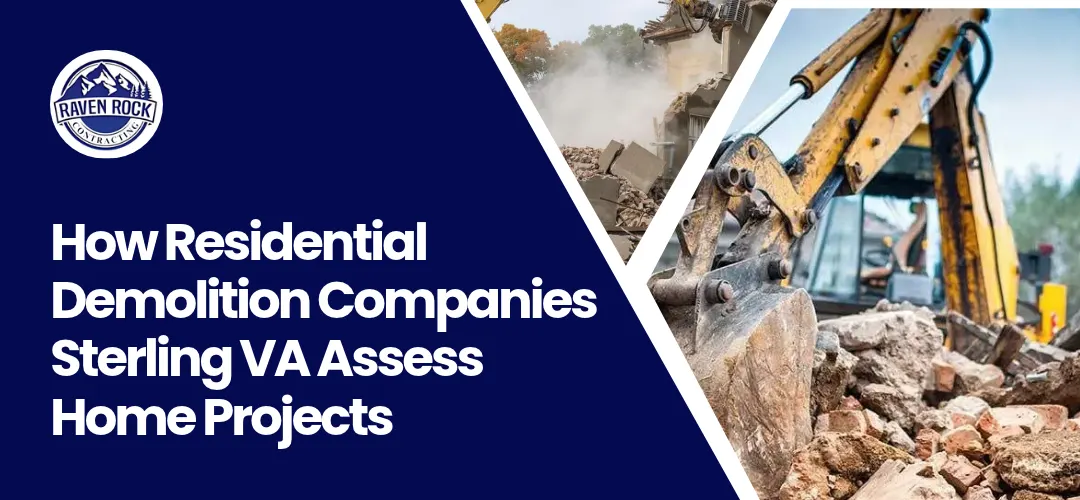
Learn how residential demolition companies assess home projects, evaluate safety, review permits, and plan debris removal around Sterling VA.
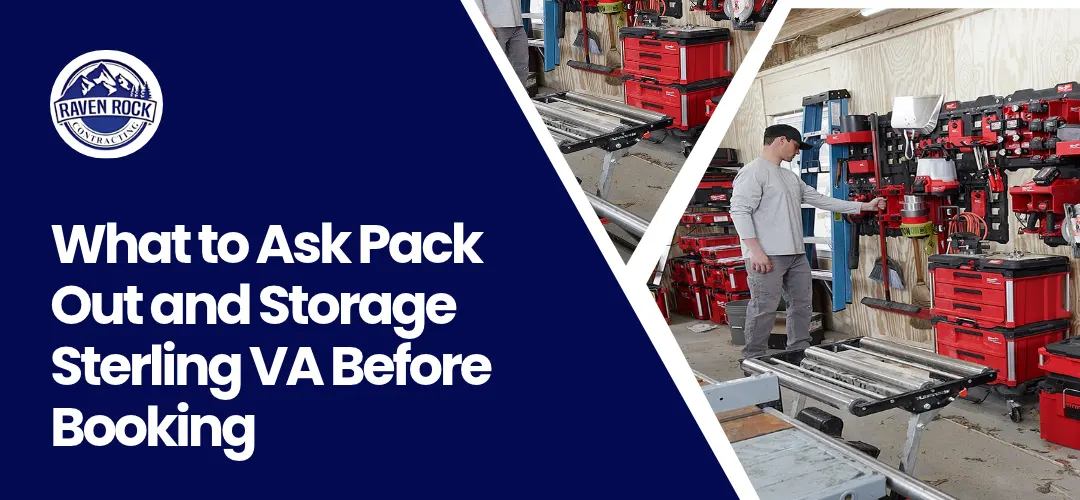
Learn what to ask about pack out and storage Sterling VA, including packing, transportation, storage conditions, pricing, and scheduling.
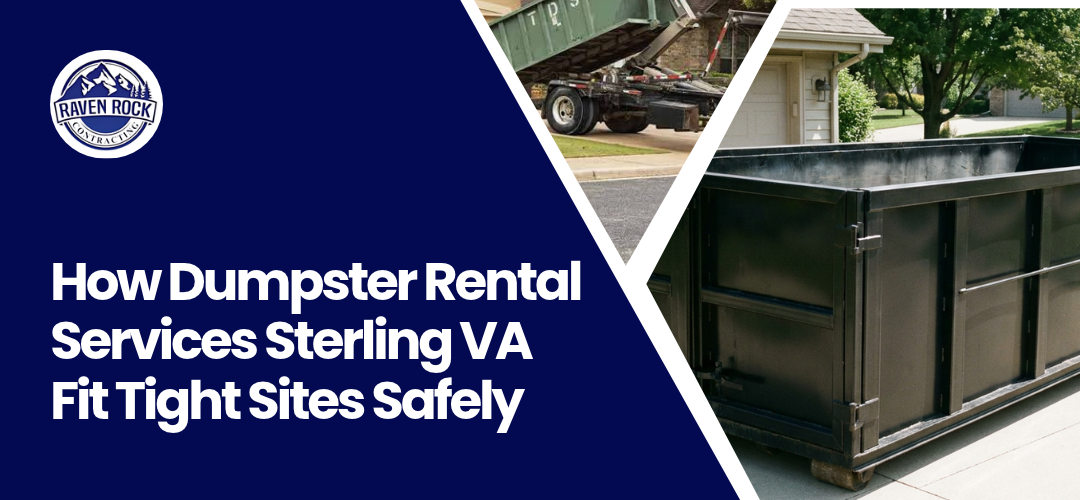
Explore how dumpster rental services Sterling VA fit tight sites with proper sizing, safe placement, driveway protection, and efficient waste...
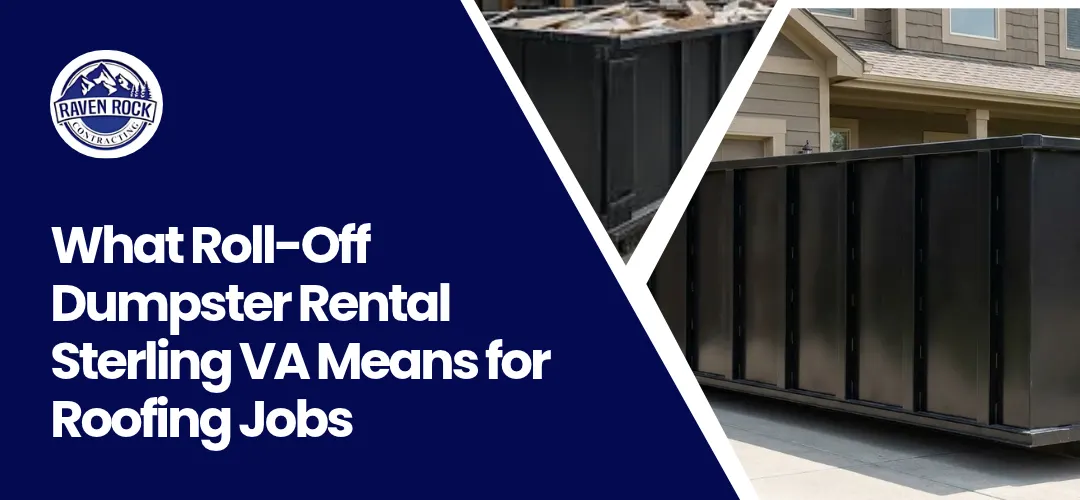
Plan roofing cleanup with roll-off dumpster rental Sterling VA. Explore dumpster sizes, weight limits, placement, and delivery scheduling.
Plan roofing cleanup with roll-off dumpster rental Sterling VA. Explore dumpster sizes, weight limits, placement, and delivery scheduling.
Plan roofing cleanup with roll-off dumpster rental Sterling VA. Explore dumpster sizes, weight limits, placement, and delivery scheduling.
